Complete Guide to choosing the right home builder
Complete Guide to choosing the right home builder
Blog Article
Determining the Suitable Home Builder: Your Compass to Dream Homes
Identifying the appropriate home contractor is a critical stage in fulfilling one's ideal living space. It requires attentive evaluation and thorough investigation. A range of factors influence the decision, from a builder's experience to their communication approach. Recognizing these facets can profoundly shape the building process. As one navigates this difficult process, certain key aspects need attention to ensure a successful result. What should one prioritize to make a informed determination?
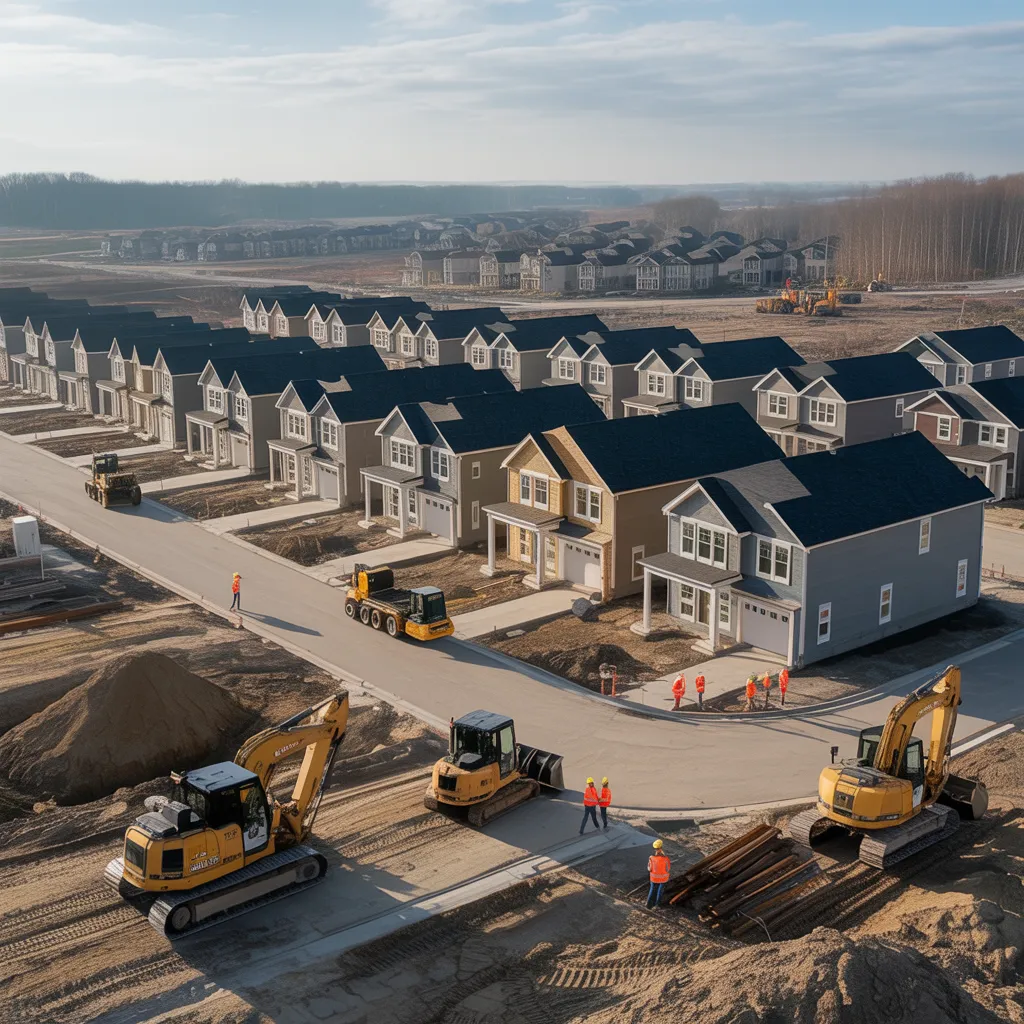
How to Start Your Hunt for a Home Builder?
What approach should one follow when setting out on the search to discover the perfect home builder? The primary task involves conducting detailed study to identify suitable prospects. Future homeowners ought to employ digital platforms, featuring ratings and testimonials, to evaluate the reputation of multiple builders. Relationship building may also prove beneficial; requesting guidance from friends, family, or real estate professionals frequently delivers trustworthy options.
Next, people should visit local home shows or open houses, providing firsthand experience of a builder's work. It is crucial to create a shortlist of builders who align with personal preferences and project requirements.
Once this list is put together, property owners can begin to contact for consultations. During these meetings, examining previous projects, timelines, and communication styles can reveal much about each contractor's methods. This initial step is noteworthy, setting the stage for a successful construction journey ahead.
Important Points for Evaluating Home Construction Firms
Assessing home builders demands a well-organized process to ensure that the chosen candidate satisfies defined criteria and expectations. Key criteria include background, standing, and work quality. A builder's portfolio should present completed projects that fit the desired style and functionality.
Client testimonials and reviews from previous clients offer perspective into trustworthiness and customer satisfaction. It is also critical to evaluate the contractor's communication skills and responsiveness, as these traits can markedly affect your overall experience.
Moreover, understanding the contractor's protection plans and compliance with local expert advice building codes is vital for long-term security. Financial stability should not be disregarded; a reputable builder will have strong financial footing, permitting them to complete projects on time and within budget. By focusing on these criteria, potential homeowners can make well-informed decisions when selecting the right builder for their dream home.
Investigating Customization Possibilities in Home Design
Which considerations determine the design possibilities accessible in home design? Several elements play a significant role, including the builder’s experience, the building materials employed, and the local building codes. Builders with an established reputation usually offer a more comprehensive selection of customization options, thanks to their supplier and subcontractor relationships. Also, the kind of home—whether a single-family home or a multi-family unit—can affect the degree of customization offered.
Homebuyers should also weigh the timeline for construction, as more elaborate designs may prolong the building process. Geographic location can affect available styles and materials, as specific designs may be more suitable or advantageous in specific regions. Finally, budget constraints can constrain choices, as more intricate features and high-quality materials typically come at a price. Understanding these factors can help buyers make well-informed decisions when exploring customization options.
Comprehending Pricing Frameworks
Comprehending pricing structures is important for homebuyers navigating the complexities of the construction process. Various builders employ different cost approaches, which can greatly impact overall costs. Set pricing offers certainty, enabling clients to understand the final price in advance, while cost-plus model entails paying the actual construction costs plus a set fee, creating opportunity for variances.
Additionally, certain builders introduce a hybrid approach, combining aspects of both frameworks. Homebuyers should also take into account incorporated amenities and improvements, as these can substantially influence the overall cost. Detailed breakdowns deliver openness, assisting clients comprehend where funds are designated.
It is vital for purchasers to review payment schedules and potential concealed charges, such as permits or site preparation. By thoroughly comprehending these frameworks, homebuyers can take educated steps, ensuring they select a builder whose pricing matches their budget and expectations.
Why Transparent Dialogue Matters When Selecting a Builder?
Clear communication is vital when selecting a home builder, as it cultivates trust between the client and the builder. By ensuring that expectations and project details are thoroughly discussed, parties can circumvent costly misunderstandings. Ultimately, transparency in dialogue lays the groundwork for a prosperous building experience.
Creating Faith Via Openness
How can prospective homeowners guarantee their vision matches their contractor's abilities? Establishing confidence via transparent communication is essential in this relationship. Clear communication promotes comprehension, guaranteeing that both parties are on the same page regarding project expectations, timelines, and design details. Property buyers should articulate their preferences while actively listening to the builder's insights and recommendations. Regular updates and open dialogue throughout the construction process further strengthen this trust, permitting for modifications as needed. Openness in sharing project challenges and resolutions also improves this bond, making it simpler to overcome possible difficulties together. In the end, transparent dialogue both aligns visions and creates a solid base for a successful partnership, resulting in the realization of the property owner's ideal residence.
Avoiding Costly Misunderstandings
When expectations vary between homeowners and builders, what takes place? Miscommunications might cause high-priced delays, budget overruns, and discontent. Open communication is important to coordinate visions and ensure both parties stay on the same page. Homeowners should communicate their financial limits, desires, and preferences from the outset. Builders must then provide clear timelines, costs, and scope of work. Frequent updates and open dialogue build trust and enable adjustments as required. Putting agreements into writing helps avoid future disputes. Prioritizing clarity allows both homeowners and builders to reduce risks, resulting in a smoother construction process and a more satisfying final outcome. Ultimately, successful communication is the cornerstone of a positive building experience.
Examining References and Reviews: Top Practices
Selecting a home builder demands examining references and reviews for informed choices. Examining input from former customers provides perspective on the contractor's reliability and caliber of work. Understanding both individual references and online assessments can greatly shape the builder's credibility.
Relevance Of Sources
increase assurance
Appraising Online Feedback
How can aspective homeowners proficiently handle the vast expanse of online input when evaluating a home developer? First, they should seek reviews on credible platforms, such as Google, Yelp, and particular construction forums. It is essential to differentiate between legitimate reviews and potentially biased ones, detecting patterns in feedback rather than isolated comments. Homeowners should pay attention to both positive and adverse remarks, zeroing in on recurring strengths or weaknesses highlighted by multiple reviewers. Additionally, they can check the builder's response to objections, which may indicate their dedication to customer service. Finally, contacting past clients in person can provide deeper insights, ensuring that the builder aligns with the homeowner's expectations and needs.
Frequently Inquired Questions
What Permits and Certifications Are Necessary for a Home Builder?
A construction builder should obtain a valid contractor's license, liability insurance, and industry certifications such as OSHA training or green building credentials. These professional standing demonstrate compliance with safety standards and professional regulations, enhancing trust and professionalism.
What is the Typical Duration for Home Construction?
The home building process generally requires between six months and more than a year, based on variables such as the complexity involved, atmospheric conditions, and permit-related delays. Each phase requires careful planning to ensure timely delivery and quality results.
Can I Check Out Past Projects Finished by the Builder?
Yes, prospective customers can often inspect previous projects completed by the contractor. This permits them to evaluate workmanship and design quality, supporting to guide their selections and ensure happiness with their future home.
What Warranties Do Home Builders Ordinarily Offering on Recently Built Homes?
Builders generally present guarantees safeguarding structural integrity for ten years, major systems like plumbing and electrical for five years, and construction excellence for one year. These guarantees grant homeowners with defense against defects and necessary repairs.
How Do I Make Sure My Construction Professional Adheres to the Timeline?
To confirm a builder maintains timeliness, one should develop explicit timelines, maintain regular communication, and implement milestone check-ins. Tracking progress and addressing delays promptly can also support keeping the project on track.
Report this page